The entire drive today was northward up the Oregon coast on the Pacific Coast Scenic Highway, which certainly deserves the designation. The views along the entire coast may be even more beautiful than the California coast, and we noted later that the pictures we took don’t look as magnificent as seeing the sights in person.
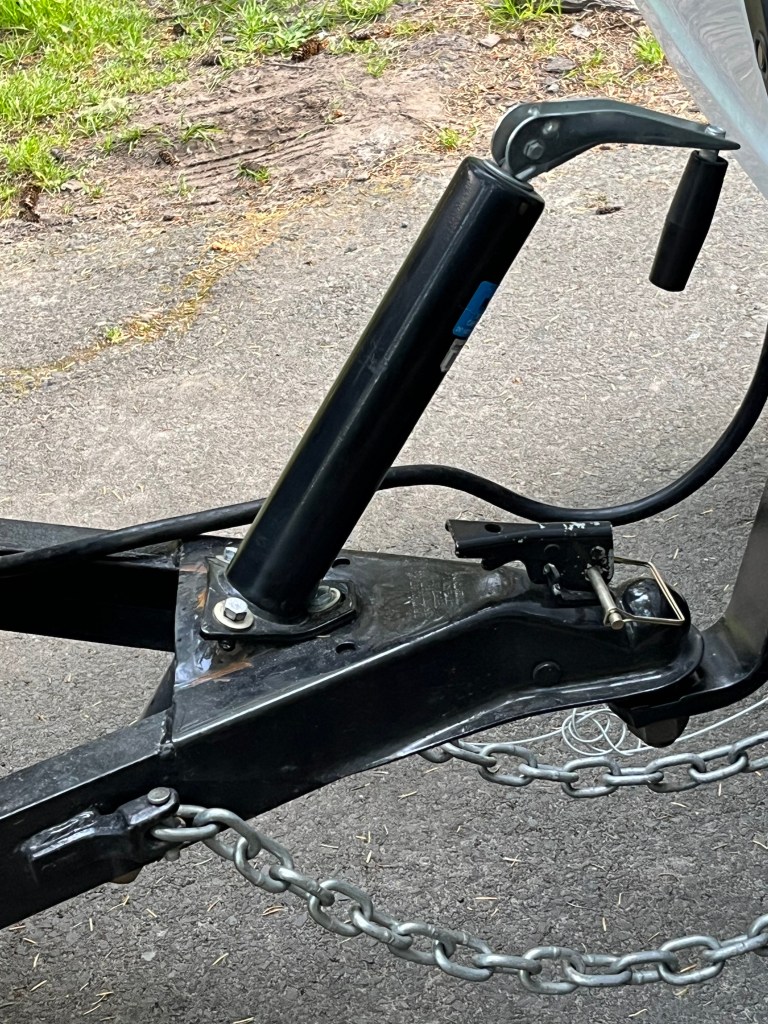
We stopped for breakfast at the Salmon Harbor Café in Winchester. We also pulled over when we drove by the Sea Lion Caves tourist attraction in Florence. We didn’t notice until later that we bent the trailer jack when we entered the parking lot, which means I must use my car jack if I want to disconnect the trailer from the Ford until I can get it fixed.
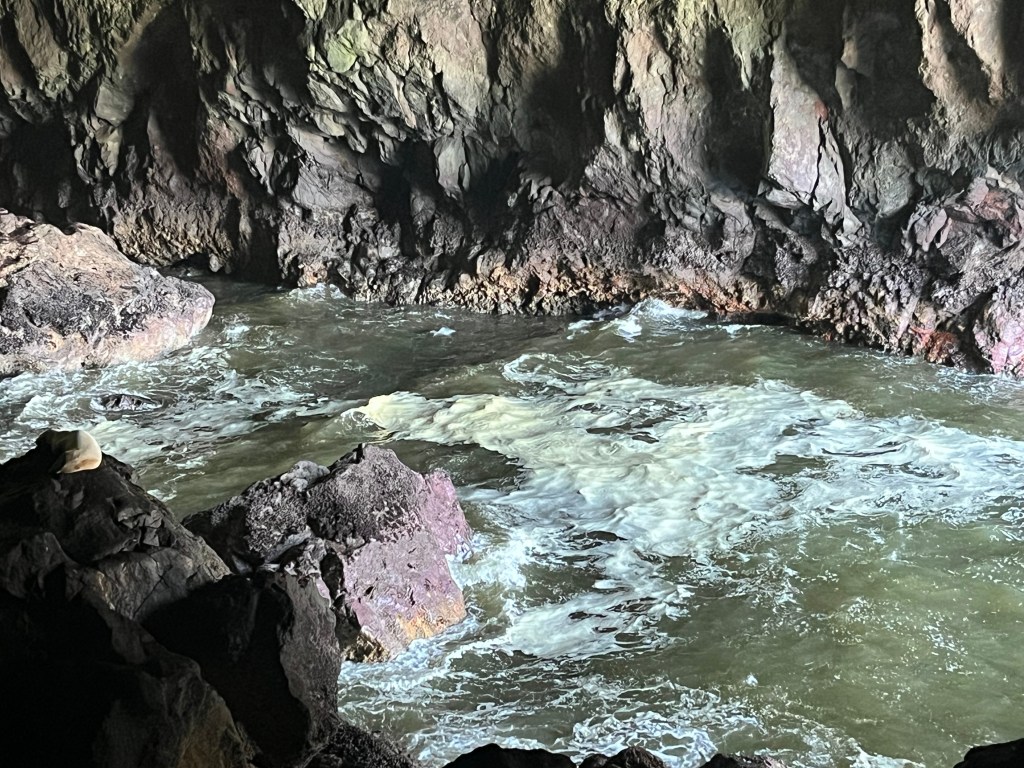
The Sea Lion Caves was an interesting place, and it adds to my “est” list as it is the largest sea lion cave in the U.S. We took a 200-foot elevator to get down to the cave. There was only one sea lion in the cave, and about six outside on the rocks. The clerk warned us that we wouldn’t see many because their normal pattern is oriented around the breeding season. For half of the year, there are hundreds in the cave, and otherwise there are very few. Still, the cave itself was beautiful, as were the views from outside the Gift Shop. We had a good view from there to the Heceta Head Lighthouse, still a functioning lighthouse. Further up the highway, we passed the Tillamook Ice Cream creamery, in Tillamook, Oregon.
We ended the day at the Fort Stevens State Park on a peninsula in the furthest point up the Oregon coast, near Astoria. The park is part of a historic area, including many elements from the formerly functioning fort. It was originally constructed towards the end of the Civil War in case the British supported the Confederates and invaded from Canada. It was then refurbished during World War II. Fort Stevens saw its only action when a Japanese submarine fired 5.5-inch shells in the vicinity of the fort, causing no damage. The Fort Commander refused to allow return fire. The incident made Fort Stevens the only installation to be attacked by an enemy since the War of 1812.
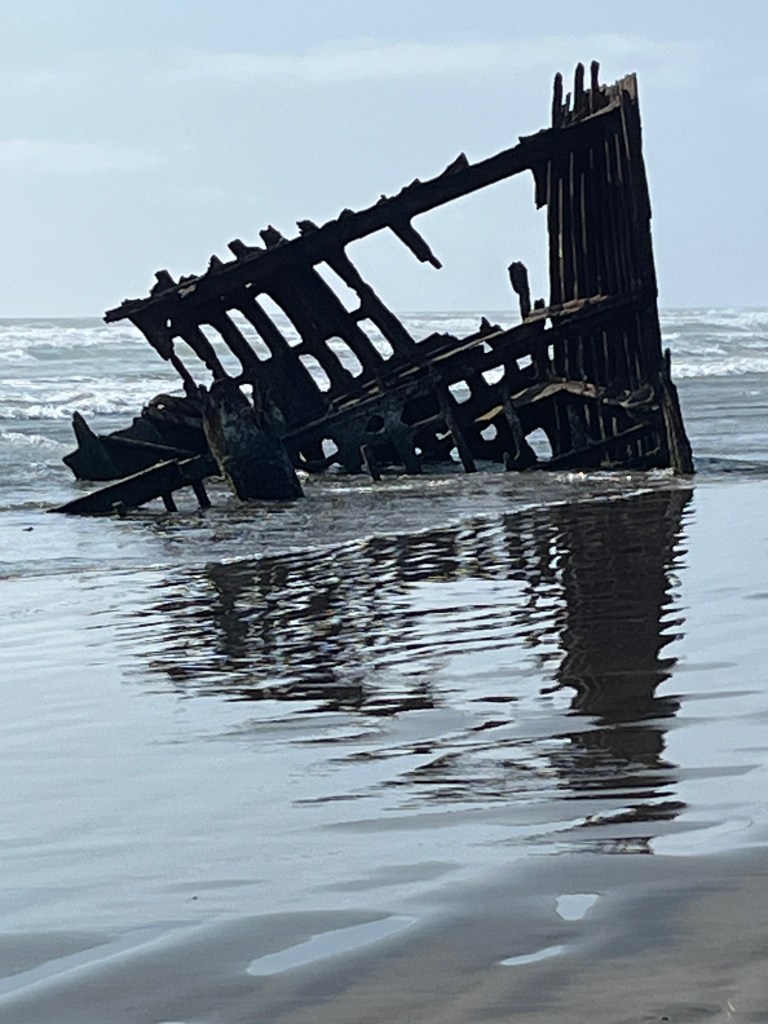
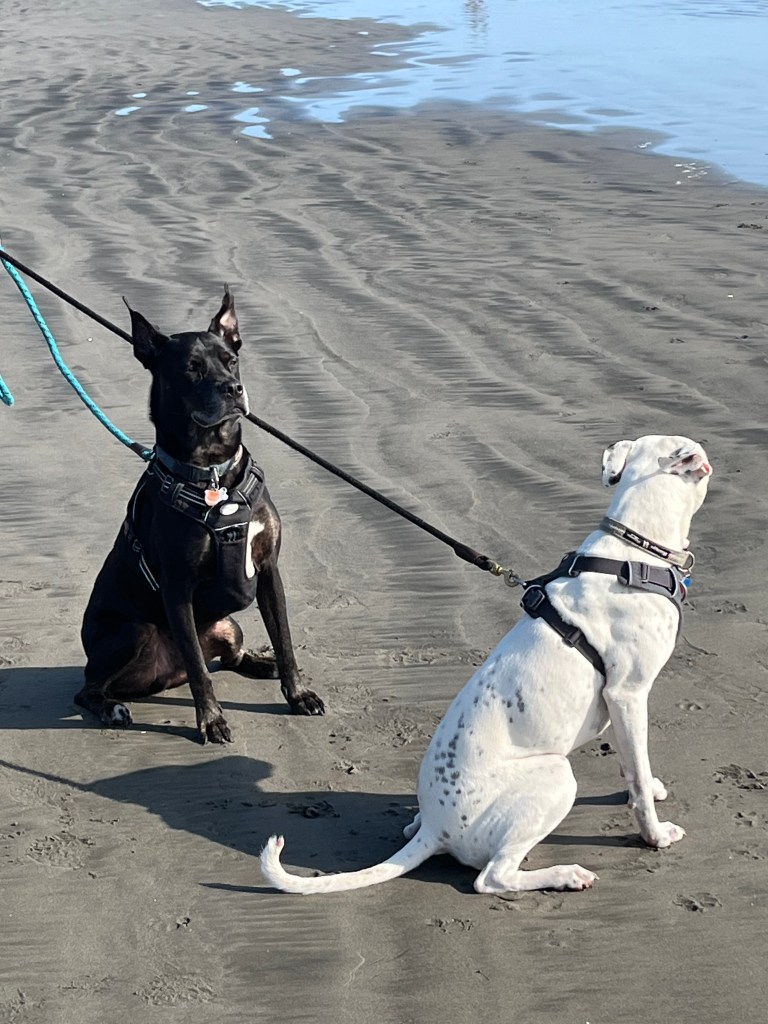
The campground at the park may be the best (and largest) campground I have stayed in yet. We took a 2.5 mile walk to the beach and back. The beach itself was amazing, with sandy beach as far as you could see, for miles up and down the coast. An odd attraction was the remains of the Peter Iredale, which was a four-masted steel bark built in England, owned by British shipping firm Iredale & Porter. It wrecked on the Oregon coast in 1906 and immediately became a tourist attraction. Not much of the ship is left today. On the walk back, we stopped at Coffenbury Lake, a surprisingly large lake to be so close to the beach.

 Discover America 2025
Leave a comment